
Central City / Kentucky
Central City remote workforce housing and flood-site planning
A site plan in Central City begins with a confirmed work address, the crew schedule, and the number of people who need beds at the same time. Compare that peak count with available lodging and permanent facilities before requesting equipment. A remote man camp is a site arrangement, not one fixed model; its floor plan, capacity, utilities, and rental terms must be confirmed for the project in writing. The Kentucky Transportation Cabinet lists US 62 and US 431 meeting in the local road network, while the Western Kentucky Parkway crosses the county. These routes help orient a project conversation, but they are not a delivery instruction or a current closure report. Mark the approved entrance, truck turning area, proposed pad, emergency lane, and route for service visits. Identify who controls the property and who may authorize overnight occupancy. Keep a project contact available during delivery planning. List the work dates, shift changes, water and power status, wastewater plan, and any access restrictions. This information helps the rental team consider a configuration that fits the actual work rather than a city name or corridor. Ask the written quote to state the exact unit and site conditions.
Request a Central City quote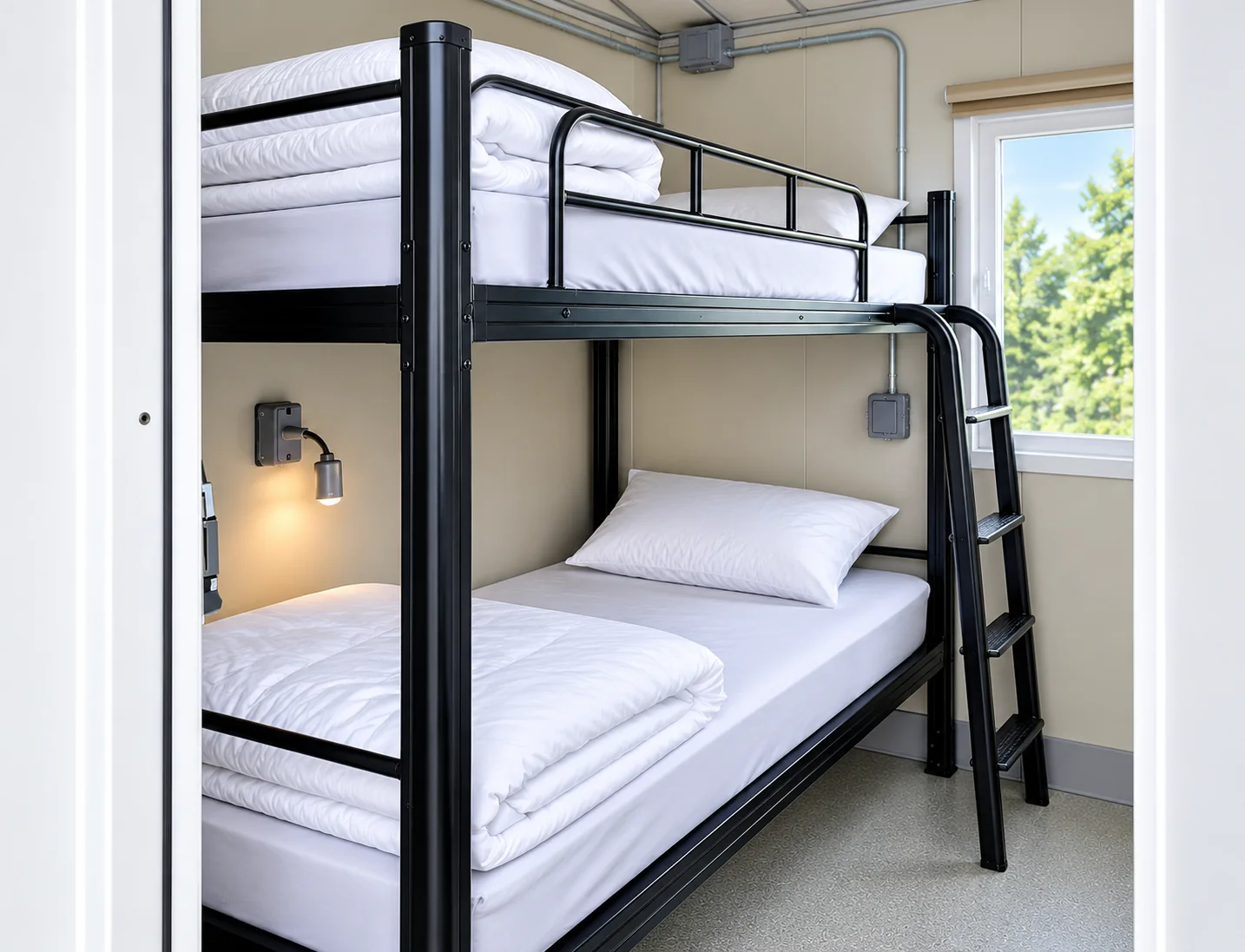
Documented local record
July 2016 flash flooding and stranded vehicles
The documented local record for Central City is specific to the event or public project named here: the National Weather Service reported severe street flooding during the July 6–7, 2016 storm, with vehicles stranded in water up to four feet deep; the account described impacts in the city and other Pennyrile communities. It provides planning context, not proof of a present emergency, an active work order at your address, a rental need, or an ADV deployment. For a future remote basecamp, use the record to frame questions for the project owner: what work is authorized now, which roads and utilities are affected, and what parts of the property remain safe for crews? Verify current conditions with the responsible agency and site contact instead of treating an old report as a route notice. A nearby event does not establish that every parcel shares the same exposure. Keep the incident date and present project phase distinct in the job file. Confirm the actual crew, shift schedule, overnight permission, utility capacity, and safe pad before choosing equipment.
Read source: National Weather Service Paducah, July 6–7, 2016 flash-flood summaryRental use case
Size beds for a verified project schedule
For a future project in Central City, remote workforce housing may fit when workers must remain near an authorized job between shifts and ordinary lodging does not meet the schedule or location needs. Start with the work order, owner approval, and a roster showing how many people sleep at once. Do not equate the full project headcount with the number of beds required; crews may rotate or return home between shifts. Identify quiet hours, parking, a protected walking route, emergency access, and separation from operating equipment. For future authorized cleanup, utility, or road work, identify the work order, actual parcel, roster by shift, and overnight permission. The 2016 street flooding does not establish a current emergency, ongoing repair, or a need for workforce lodging. Compare the proposed floor plan with those facts, then ask for its stated sleeping capacity and utility requirements. If existing rooms or nearby lodging serve the crew, a sleeper unit may add no value. Confirm dates and placement rights before discussing delivery. A written quote should describe the unit, rental period, site work, service schedule, and removal.
Supporting facilities
Confirm open facilities and utility connections
Facility planning in Central City should begin with the actual gap, not a default bundle of equipment. A mobile shower trailer can help only if workers need onsite bathing and the approved pad can support water, power, wastewater handling, and cleaning access. A portable restroom trailer may suit a separate need when permanent toilets are closed, distant, or insufficient for peak shifts. Count users by shift and check the fixture layout, accessible route, supply connections, pump-out plan, and service frequency with the project owner. If the project owner identifies a present shower or restroom gap, inspect the approved pad and confirm water, electrical service, wastewater handling, cleaning access, and emergency egress before selecting a unit. Add laundry service only for a confirmed longer-stay workwear need, and verify water, power, drainage, and servicing before including it. Keep public paths, gates, and emergency lanes clear. The local record does not confirm a facility outage or current rental demand. Specify each requested unit and responsibility in the quote so the crew knows who supplies utilities, who cleans, and who reports a problem.
Delivery and service
Check the route and the pad
Before a sleeper trailer rental is considered for work in Central City, the site contact should give dispatch a street address and a route that has been checked for the planned vehicle. A municipal boundary or highway corridor does not prove that a truck can reach a particular parcel. Walk or drive the entrance with the property owner and note turning space, overhead lines, surface strength, grade, gates, and any posted work-zone restrictions. The US 62 and US 431 junction and nearby parkway corridor are useful orientation points only. Verify the exact gate, posted truck limits, turning clearance, overhead lines, pad drainage, current roadway notices, and route to service the site. Mark the pad and confirm placement authority, utility connection points, emergency vehicle access, and a separate path for cleaning or service visits. Ask who will meet the driver and who can approve a changed arrival window. Check current weather and agency notices near delivery day, especially after storms or when road work is active. Record a backup approach only after the owner verifies it. Delivery, availability, and timing remain subject to written confirmation.
Project quote
Send the site facts
A useful quote brief for Central City gives the rental team one verifiable site plan. Include the parcel address, property authority, onsite contact and backup, work dates, crew count by shift, and the number of beds needed simultaneously. Mark the entrance, vehicle turn, proposed pad, emergency lane, pedestrian route, and service access. List permanent rooms, showers, toilets, laundry, water, power, and wastewater that will remain usable. A remote man camp request should identify the intended floor plan and work rotation; remote workforce housing must match the actual overnight roster. Include the current project sponsor, address, route check, shift count, available permanent facilities, utilities, and placement authority. Keep the 2016 flood record historical and distinguish it from present site conditions and rental terms. Ask the proposal to identify the exact equipment, stated capacity, utility needs, transport, placement, servicing, cleaning, extensions, and removal as separate terms. Attach current access instructions and note who approves a schedule change. Keep project records, incident references, and present-day conditions clearly labeled. Confirm availability and price in a written quote before relying on a unit.
Request a Central City quoteCompare equipment
Facilities to consider for a Central City site
These are reference formats from the supplied equipment library. Confirm the offered unit, utilities, accessibility requirements, availability, and delivery in a written quote.
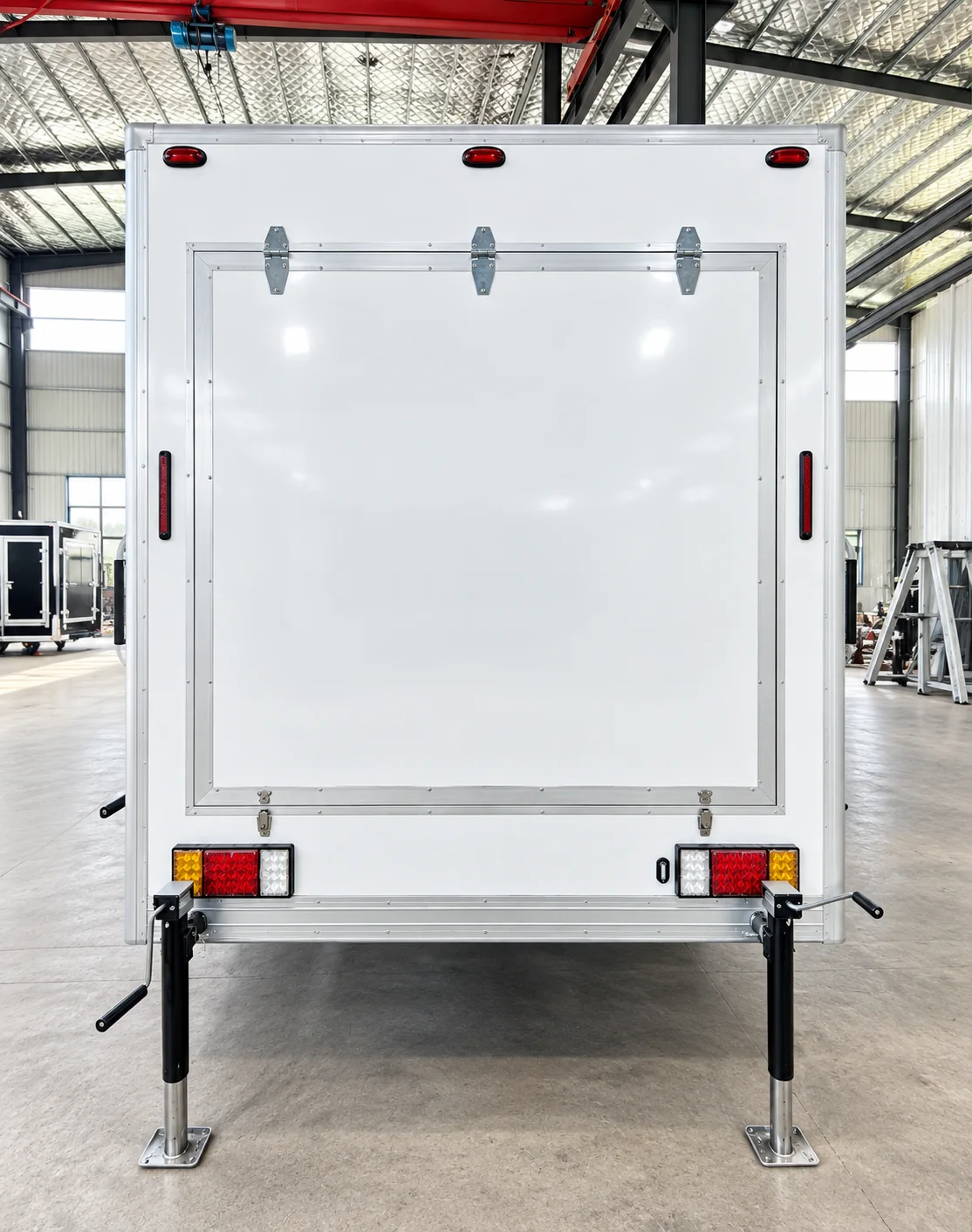 Mobile shower trailerSize stalls and hot water for the busiest shift.Contractor sleeper trailerCompare beds, privacy, and overnight site rules.
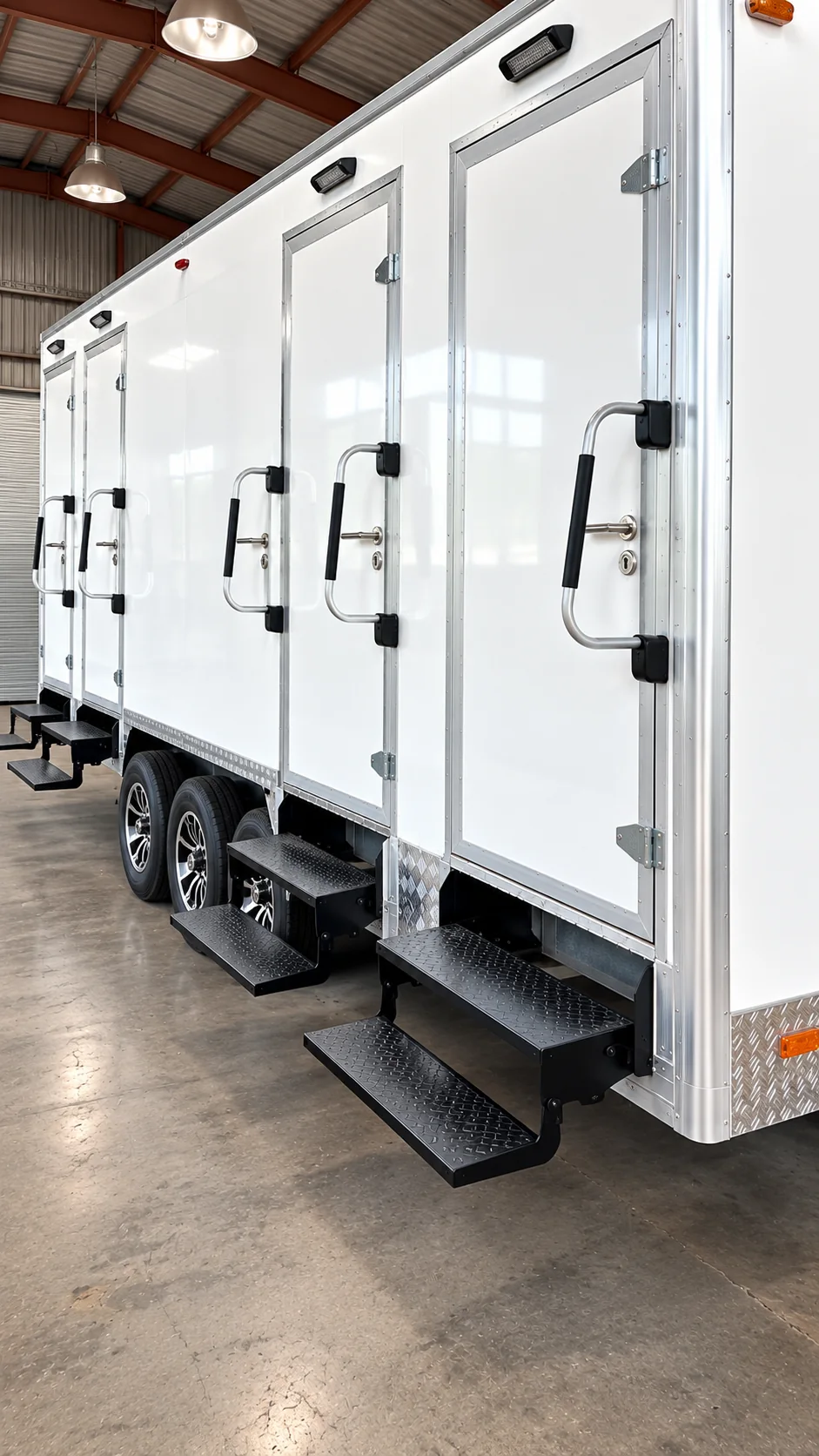 Shower + restroom trailerCheck the exact shower and toilet fixture mix.
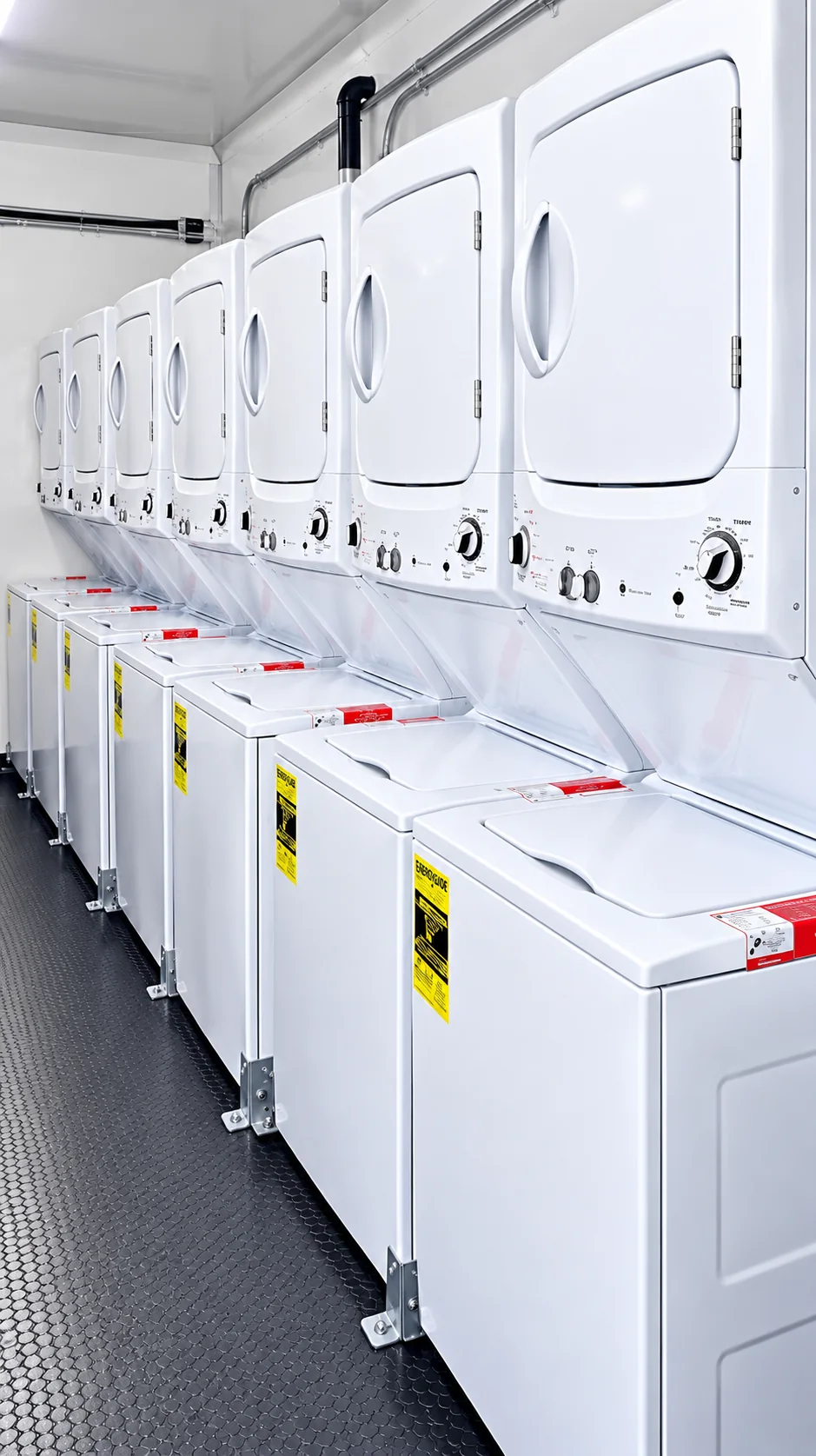 Mobile laundry trailerPlan washer loads, drainage, and power.