
Anchorage / Kentucky
Anchorage remote man camp and crew trailer planning
An Anchorage remote man camp starts with a real address and a crew schedule, not a pin on a regional map. If workers must stay near an approved project site, tell us how many people sleep at once, how shifts overlap, and whether existing buildings can provide toilets, showers, or laundry. That determines whether a sleeper unit alone is useful or whether a larger group of facilities needs a separate plan. Anchorage has a compact residential setting, a public school on Ridge Road, and city offices on Evergreen Road. Those are orientation points for a site discussion, not suggested parking places or evidence of a customer job. A trailer needs permission to occupy a specific parcel, a safe approach for its tow vehicle, and a practical way to connect or service utilities. For shorter daytime work, overnight accommodation may be unnecessary. Send the site owner’s approved placement area and the dates first; equipment choice and delivery terms can then be checked against the actual job.
Build an Anchorage quote brief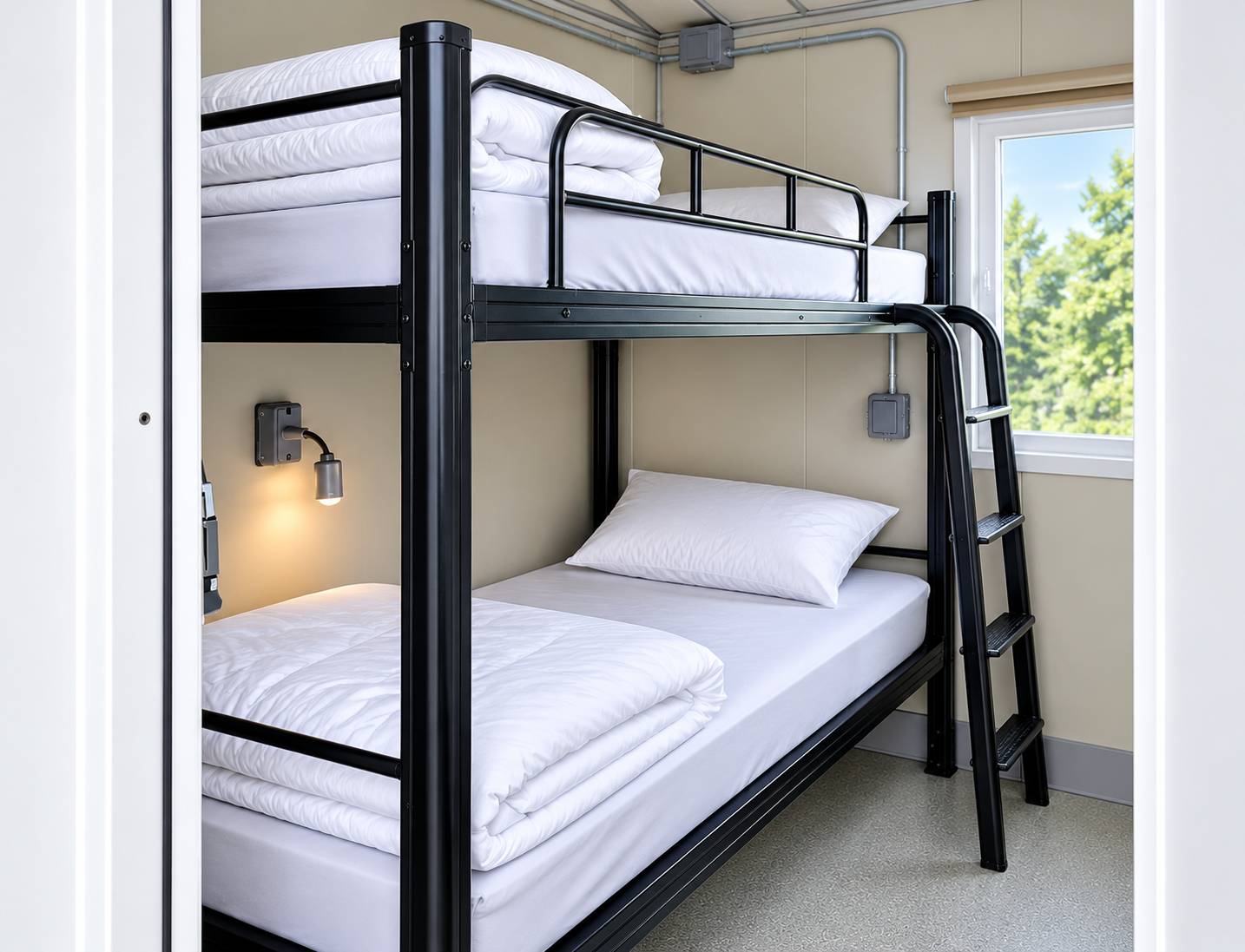
Documented local work
Fiber construction across utility easements
The City of Anchorage posted a notice about Lumos and T-Fiber installing fiber optic cable in rights of way and utility easements. It says residents should receive notices near their doors or mailboxes as crews reach each area, workers should carry identification, and work should occur during daylight. The notice also explains that a right of way may run beside a street or sidewalk, behind a lot, or between properties. Public utility lines are to be marked before construction; private irrigation and invisible fence lines require a separate conversation with the fiber company. This is a documented example of work moving through multiple small locations, rather than one fenced compound. A future remote basecamp request connected to similar work would need a separate, owner-approved staging parcel outside the active dig route. The city notice does not report that crews slept on site, rented any trailer, or hired ADV. Its value here is the access lesson: a utility easement is a work corridor, not an automatic place to park living facilities.
Weather and work duration
Plan for the job that actually follows
The National Weather Service recorded an EF-1 tornado path during the March 31 to April 1, 2023 outbreak, beginning northeast of Anchorage and ending southeast of Pewee Valley. That description places the start of the path near Anchorage; it does not establish a touchdown or a specific damaged property inside the city. A storm record can explain why a restoration contractor might ask about temporary crew facilities, but it cannot prove that any particular worksite needs them. For a future repair lasting several shifts, remote workforce housing should be sized to the people off duty at the same time, with separate attention to bathing, toilets, laundry, and a safe nighttime exit. If the job lasts only a day, a smaller sanitation arrangement may be enough. Ask the property owner and project manager for the current access condition after any storm. Roads, trees, power, and wastewater arrangements can change quickly, so dispatch timing and available equipment must be confirmed for the actual address.
Placement and utilities
Keep the trailer off the work corridor
Before planning a sleeper trailer rental in Anchorage, identify the legal pad, its surface, and the route from the street to the pad. The city publishes a street map, but a map cannot tell us whether a gate is wide enough, a turn is clear, or a loaded trailer can stand level without blocking residents. Anchorage also says certain work involving driveways, sidewalks, trenching, utilities, or the historic district may require city review or permits. Those rules apply to the particular project and parcel; do not assume a rental itself has been approved because nearby construction is underway. If temporary water, electrical, or wastewater work is proposed, ask the city and the property owner which approvals are needed before installation. Keep crew foot traffic away from the fiber dig route and from any open school access on Ridge Road. Give the equipment planner a marked site sketch, service vehicle clearance, shift hours, utility capacities, and a person authorized to approve placement.
Project brief
Match facilities to crew use
An Anchorage mobile shower trailer makes sense only when workers need to wash on site and the property can support freshwater, hot water, power, wastewater handling, and regular service access. If existing restrooms remain open, adding another unit may solve no real problem. If a building is closed for renovation, list the number of people on the busiest shift and which fixtures remain usable; a combined shower and restroom unit may fit a smaller footprint. Laundry needs its own load and drainage estimate, especially for longer jobs or dirty protective clothing. Send photos of the approved pad and approach, not photographs of unrelated local projects. The supplied equipment image above shows a reference format and does not document an Anchorage customer installation. Our local form creates a copyable planning brief; it does not transmit a booking. Ask for a written quote that identifies the actual unit, accessibility documentation when required, delivery window, service arrangements, and daily or monthly price.
Create the Anchorage project briefCompare equipment
Facilities to consider for an Anchorage site
These are reference formats from the supplied equipment library. Confirm the offered unit, utilities, accessibility requirements, availability, and delivery in a written quote.
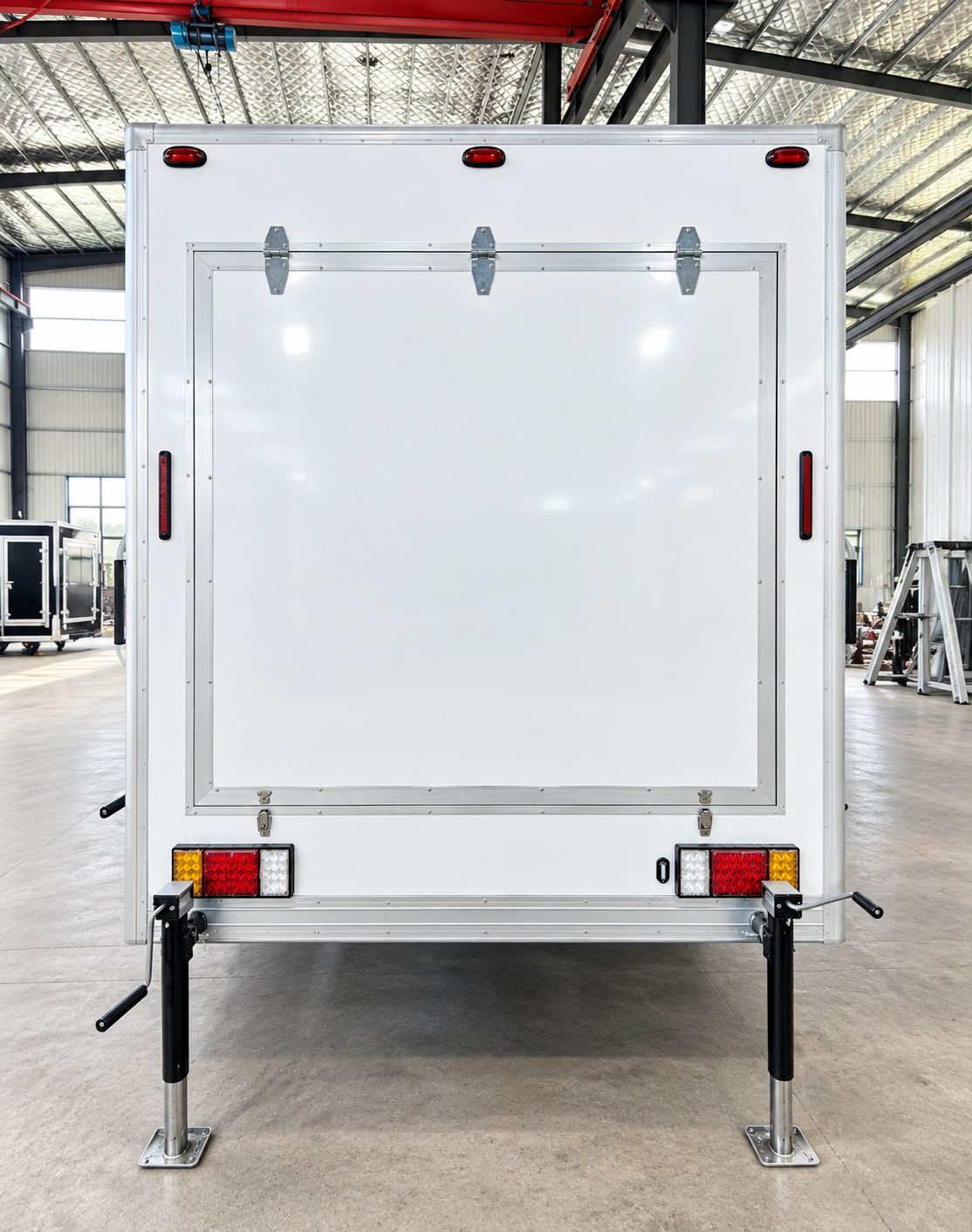 Mobile shower trailerSize stalls and hot water for the busiest shift.Contractor sleeper trailerCompare beds, privacy, and overnight site rules.
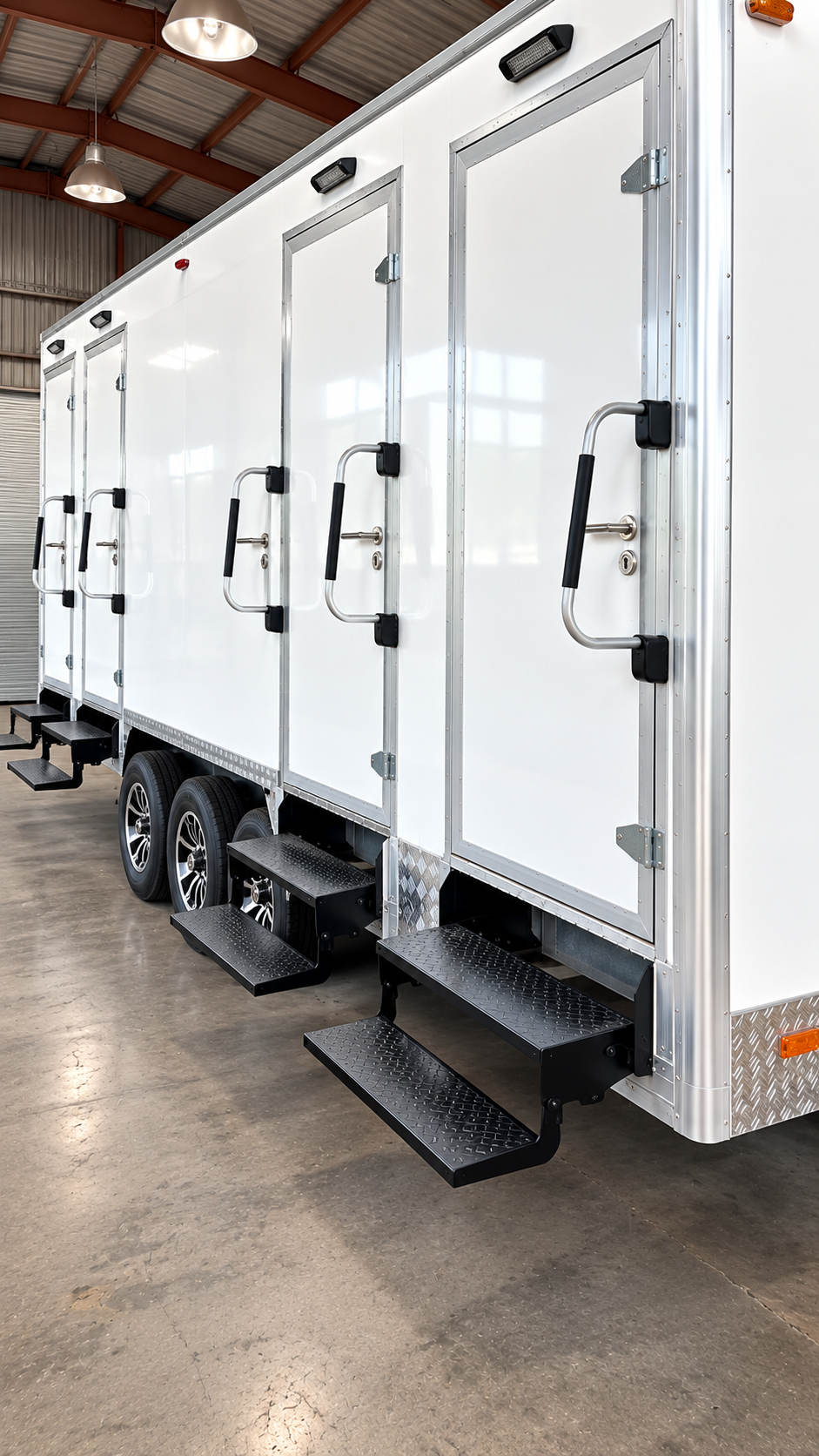 Shower + restroom trailerCheck the exact shower and toilet fixture mix.
 Mobile laundry trailerPlan washer loads, drainage, and power.